
Why the News Feels Heavier at the End of the Year — and What That Signals
Many people describe the same sensation as the year winds down: the news feels heavier. Headlines seem more intense. Stories linger longer. Even routine updates carry more emotional weight. This isn’t just imagination or seasonal fatigue. The way news is produced, consumed, and interpreted shifts noticeably at the end of the year — and that shift reveals something important.
The volume of news doesn’t necessarily increase in December, but its density does. Events that might feel manageable earlier in the year accumulate context as time passes. Stories reach their consequences. Trends reveal outcomes. What once felt speculative becomes concrete. By year’s end, the narrative has weight.
There is also a structural reason the news feels heavier. Media cycles slow slightly as institutions pause and schedules tighten. With fewer breaking announcements, existing stories receive more sustained attention. Developments are framed less as updates and more as assessments. This reflective framing invites interpretation rather than reaction, which naturally feels heavier.
Psychology plays a role as well. The end of the year encourages evaluation. People reflect on what has changed, what hasn’t, and what lies ahead. News stories are filtered through that lens. Economic data isn’t just a report; it becomes a verdict on the year. Political developments aren’t isolated events; they feel like trajectories. The same information carries more emotional charge because it feels final.
The holiday season intensifies this effect. Personal routines shift. Time feels compressed. Moments of quiet are often filled with scrolling, not conversation. News consumption becomes more solitary and less contextualized. Without the buffer of discussion or distraction, stories can feel more immediate and overwhelming.
There is also a cumulative fatigue that sets in. Months of constant updates wear down emotional resilience. By December, people have less capacity to absorb uncertainty or conflict. Stories that might have been processed analytically earlier in the year are felt more viscerally. The heaviness is not just about content — it’s about capacity.
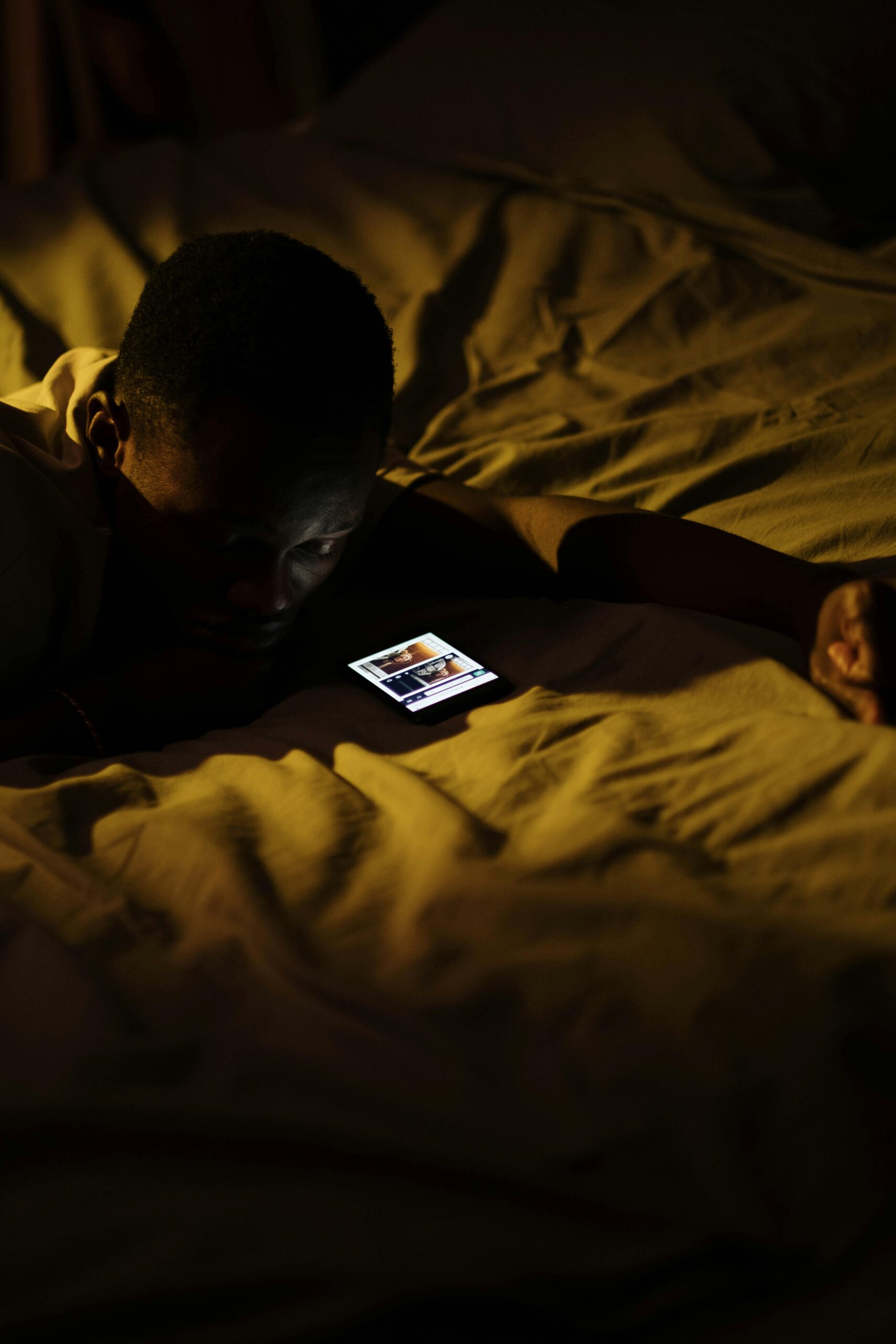
Visually, this moment in the news cycle is familiar. Phone screens glowing in dim rooms. People reading headlines late at night. City streets quiet under evening light. These images capture a kind of collective pause, where attention turns inward even as information continues flowing.
What this signals is not simply burnout, but a mismatch between how news is delivered and how people process meaning at year’s end. Constant immediacy clashes with a natural desire for synthesis. People want to understand what mattered, not just what happened. When the news doesn’t offer that perspective, the weight increases.
Some outlets respond by publishing retrospectives and summaries, acknowledging this shift. These pieces tend to resonate more strongly in December because they align with how audiences are thinking. They don’t reduce the heaviness, but they give it structure.
The feeling of heaviness also signals a broader change in news consumption. Audiences are becoming more selective. They seek depth over speed, context over volume. The end of the year amplifies this preference, making the limits of constant updates more visible.
As the calendar resets, the news will feel lighter again — not because the world has changed, but because the emotional framing has shifted. But the heaviness of December leaves a trace. It reminds us that information doesn’t exist in isolation. Timing, context, and emotional bandwidth shape how news is experienced.
Understanding that shift doesn’t make the news lighter. It makes it more legible.