The Untold Story Behind Recent Cybersecurity Attacks — What You Need to Know
Cybersecurity headlines appear almost weekly.
Major corporations report breaches.
Government systems face ransomware attacks.
Personal data leaks circulate online.
The pattern feels repetitive — another company compromised, another investigation launched.
But the untold story isn’t just about hackers breaking in.
It’s about how digital infrastructure has outpaced security readiness.
And why the next wave of cyberattacks may be even more sophisticated.
Attacks Are No Longer Random
Cyberattacks have evolved beyond opportunistic hacks.
Today’s threats are strategic.
Criminal organizations and state-sponsored groups conduct detailed reconnaissance before targeting systems.
They analyze:
- Network vulnerabilities
- Employee behavior patterns
- Software update cycles
- Third-party vendor access points
The goal is precision — not chaos.
Ransomware as a Business Model
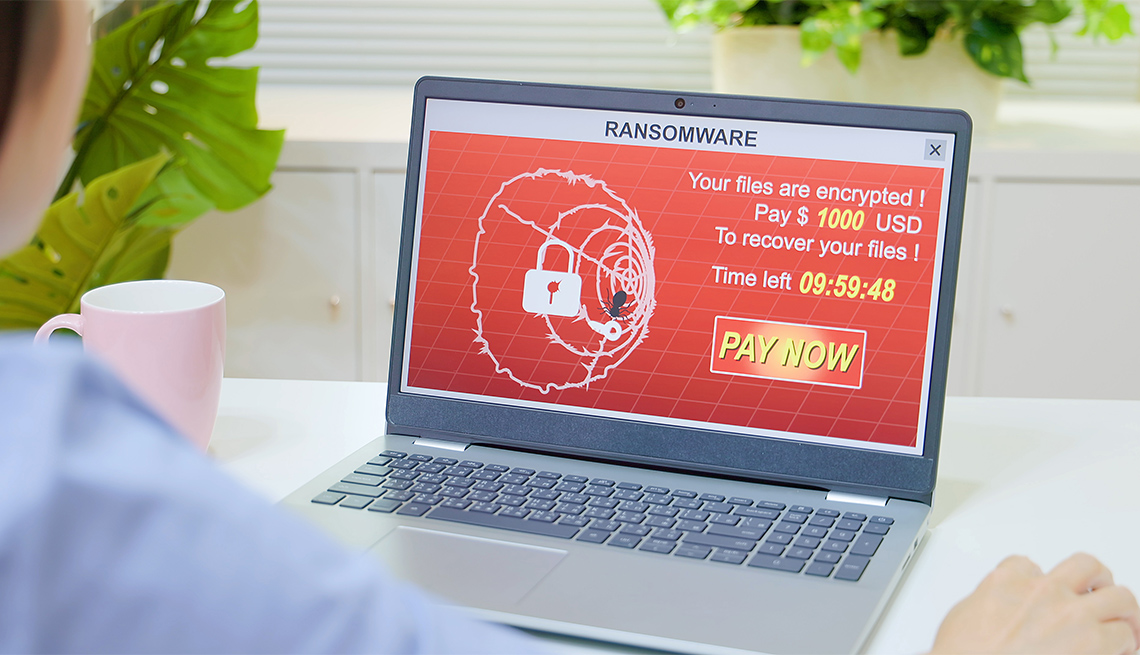
Ransomware has become a structured economy.
Attackers encrypt systems and demand payment for access restoration.
But it doesn’t stop there.
Modern ransomware groups often:
- Steal sensitive data before encryption
- Threaten public exposure
- Target supply chain partners
Some operate with customer service portals and payment negotiation teams.
Cybercrime has professionalized.
The Human Weak Link
Despite advanced firewalls and encryption tools, many breaches begin with simple tactics.
Phishing emails remain one of the most common entry points.
A single compromised credential can expose an entire network.
Employees clicking malicious links or downloading infected attachments create access points for attackers.
Cybersecurity is no longer just a technical issue.
It’s behavioral.
Third-Party Vulnerabilities
Companies rely heavily on vendors for cloud services, payment processing, and analytics tools.
Each third-party integration expands the attack surface.
A vulnerability in a partner’s system can expose multiple organizations simultaneously.
Supply chain cyberattacks exploit interconnected ecosystems.
Security is only as strong as the weakest partner.
AI Is Changing the Threat Landscape
Artificial intelligence is now being used by both defenders and attackers.
On the offensive side, AI can:
- Generate convincing phishing emails
- Automate vulnerability scanning
- Analyze stolen data rapidly
On the defensive side, AI-powered systems detect unusual activity and flag anomalies in real time.
The cybersecurity race is becoming an AI arms competition.
Critical Infrastructure at Risk
Recent cyberattacks have targeted:
- Energy systems
- Healthcare networks
- Transportation infrastructure
- Financial institutions
As physical systems become digitized, cyber risk becomes national security risk.
Disruptions can impact not just data — but real-world services.
Why Prevention Is Harder Than It Sounds
Digital systems are complex.
Organizations often run:
- Legacy software
- Hybrid cloud environments
- Remote access networks
- Mobile device integrations
Each layer introduces potential vulnerability.
Comprehensive protection requires constant monitoring, regular updates, and employee training.
Security is not a one-time installation.
It’s continuous maintenance.
What Individuals Should Understand
While large organizations dominate headlines, individuals are not immune.
Common personal risks include:
- Weak passwords
- Reused login credentials
- Unsecured Wi-Fi networks
- Outdated software
Simple measures like multi-factor authentication and regular updates significantly reduce exposure.
The Bigger Reality
Cybersecurity is no longer about preventing every attack.
It’s about resilience.
The assumption today is not “if” a breach will occur — but “when.”
Organizations now focus on rapid detection, containment, and recovery.
Speed of response matters as much as prevention.
Cybersecurity attacks are becoming more strategic, organized, and sophisticated.
The real story isn’t just about breaches — it’s about the evolving digital battlefield.
As systems become more connected, vulnerabilities multiply.
Understanding this shift is essential for businesses, governments, and individuals alike.
The digital age offers unprecedented efficiency.
But it also demands unprecedented vigilance.
And in this environment, awareness is the first line of defense.