
The Tech We Quietly Started Depending on This Year (Without Realizing It)
Not all technology announces itself with a launch event. Some of the most consequential tools slip into daily life quietly, without debate or ceremony, until one day their absence feels impossible. This year was shaped less by headline-grabbing innovation and more by a subtle shift in what we rely on to get through ordinary days.
The tech we started depending on didn’t arrive with excitement. It arrived with relief.
Background technology became the backbone of how work, communication, and decision-making actually happened. Scheduling tools that prevent overlap. Password managers that quietly protect dozens of logins. Cloud documents that allow multiple lives to touch the same file without friction. These systems didn’t feel transformative in the moment — they felt necessary. And that distinction matters.
What changed this year was not just usage, but trust. Tools that once felt optional crossed a threshold into expectation. Calendar syncing stopped being helpful and started being assumed. Two-factor authentication stopped being annoying and started being reassuring. Auto-save, auto-backup, auto-recovery — these features became invisible safety nets most people only noticed when they worked.
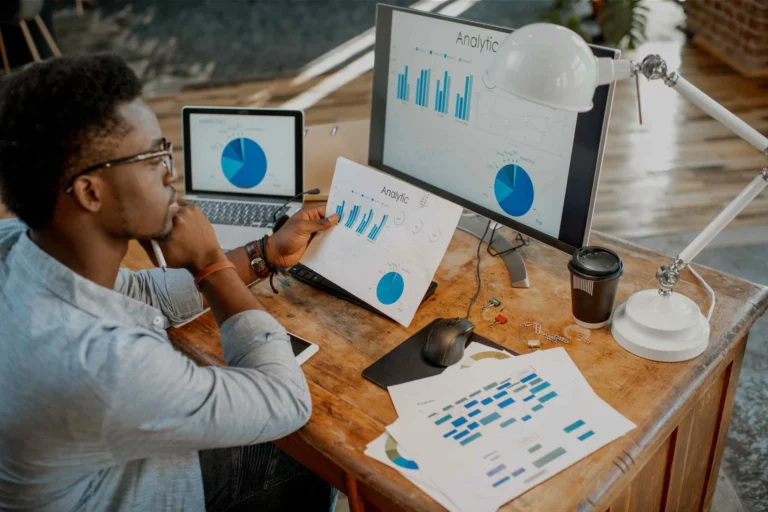
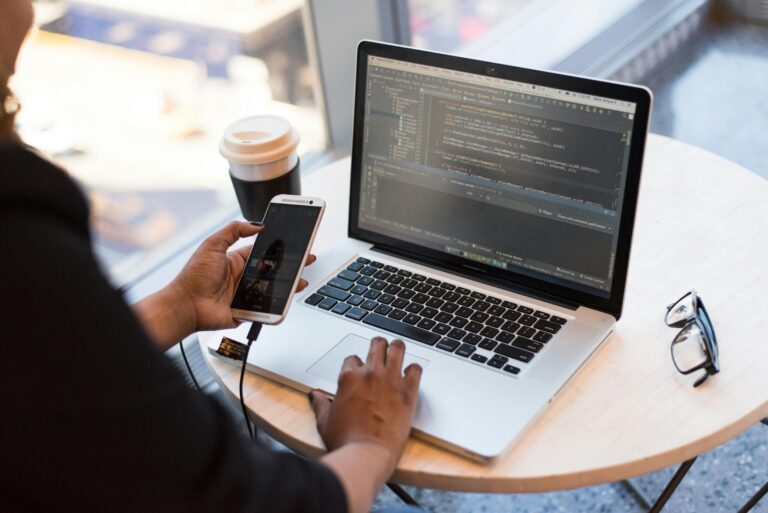
Work environments reflect this shift clearly. Fewer people rely on a single device or location. Laptops move between kitchen tables, offices, cars, and waiting rooms. Phones act as second monitors, authentication keys, scanners, and communication hubs. The technology that mattered most was the technology that allowed work to continue quietly in imperfect conditions.
There was also a noticeable shift toward tools that reduce cognitive load. This year favored tech that remembers things so people don’t have to. Saved preferences. Suggested replies. Auto-filled forms. Search histories that anticipate intent. These are small conveniences individually, but collectively they absorb mental effort that used to be spent on logistics. In a year that felt mentally crowded, that mattered.
Even news consumption reflects this change. Alerts replaced headlines. Summaries replaced deep dives. Notifications became the primary interface with current events, especially during busy seasons. People didn’t stop caring about information — they changed how much friction they were willing to tolerate to access it.
As the year moved toward the holidays, this reliance became more visible. Travel plans, family coordination, end-of-year deadlines, and financial decisions increasingly depended on systems working smoothly in the background. Boarding passes lived on phones. Payments happened without paper. Group messages replaced long calls. The technology that worked best didn’t ask for attention — it removed obstacles.
What’s notable is how little of this feels exciting. That’s not a failure of innovation; it’s a sign of maturity. Technology has entered a phase where success looks like stability, not spectacle. The tools people now depend on are the ones that don’t interrupt, don’t demand learning curves, and don’t break under pressure.
This quiet dependence also reveals something else: resilience has become a design priority. Systems that can handle interruptions, partial attention, and human inconsistency are winning. Tools that require perfect conditions are being abandoned. The year rewarded technology that bends instead of insisting.
Visually, this era of tech looks understated. Screens glowing late at night. Phones held in one hand while life continues in the other. Open laptops on cluttered desks. Nothing futuristic. Nothing dramatic. Just technology embedded so deeply into daily rhythms that it blends into the background.
As the year closes, it’s worth noticing what didn’t demand attention but earned reliance. These tools didn’t change how people imagined the future. They changed how people got through the present.
And that quiet shift may be the most important tech story of the year.