
The In-Between Moment: How Tech, Business, and News All Feel Paused Right Now
There are moments when progress doesn’t look like movement. Nothing collapses, nothing explodes, and yet the usual momentum feels suspended. That’s the atmosphere surrounding tech, business, and news right now. Not stagnant, not optimistic, but paused — as if the systems shaping daily life are waiting for a signal they haven’t quite received.
In technology, the pause shows up as refinement rather than reinvention. Tools work well enough to rely on but no longer feel transformative. Updates arrive quietly. Interfaces get cleaner, not bolder. The big ideas circulate offstage, discussed in private demos and internal planning documents rather than public launches. It feels less like innovation has slowed and more like it’s gathering itself.
Business reflects a similar tension. Activity hasn’t stopped, but urgency has shifted. Companies are focused on stability, efficiency, and risk reduction rather than expansion. Decisions are made carefully. Investments are delayed or redirected. Growth is no longer assumed; it has to be justified. The noise of constant motion has given way to quieter, more deliberate work.
In news, the pause feels emotional rather than operational. Stories continue to arrive, but audiences engage differently. There is less appetite for outrage and more fatigue with constant urgency. Coverage leans toward analysis and assessment, especially as the year draws to a close. Headlines feel heavier not because events are more dramatic, but because context has accumulated.
What connects these three spheres is a shared recalibration. The systems that once thrived on speed and spectacle are being reexamined. There is a growing recognition that constant acceleration has limits. Reliability, trust, and resilience are taking precedence over novelty.
This in-between moment is especially visible at the end of the year. Calendars compress. Planning replaces experimentation. Reflection interrupts reaction. People sense that something is shifting, but the shape of what comes next isn’t clear yet. That uncertainty creates stillness.
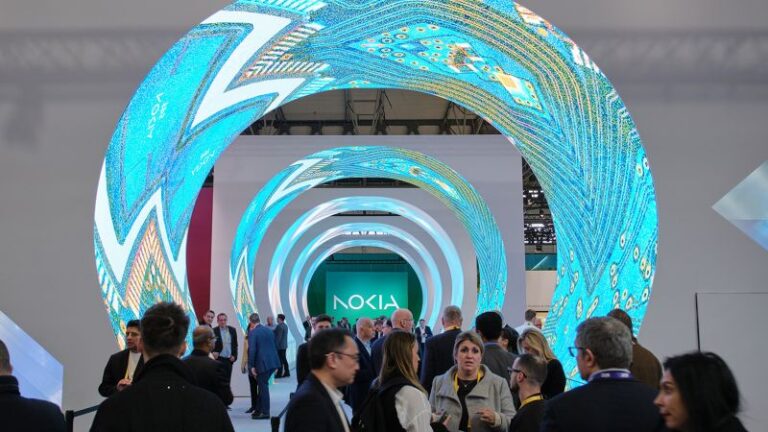
Visually, this pause is understated. Screens waiting for input. Offices half-lit after hours. News apps opened but not refreshed obsessively. People standing in transit spaces, neither arriving nor leaving. These images capture a collective holding pattern.
Historically, these moments tend to precede significant change. When systems reach a saturation point, they slow down before reconfiguring. The pause allows tensions to surface, assumptions to be questioned, and alternatives to take form. It’s uncomfortable because it resists prediction.
There is also a psychological component. After years of disruption, people crave stability. They are less willing to chase the next thing without understanding the cost. This caution influences how products are built, how businesses operate, and how news is consumed. The pause is not apathy; it’s discernment.
What happens next will likely feel sudden, even though the groundwork is being laid quietly now. Platform shifts, economic adjustments, and narrative reframing rarely announce themselves early. They emerge from periods like this one, where visible activity slows but underlying change accelerates.
For now, tech, business, and news share the same emotional temperature: alert but restrained, active but contemplative. The systems are still running, but they are no longer pretending that speed alone equals progress.
The in-between moment is not an ending. It’s a threshold. And like most thresholds, it feels uncertain precisely because it leads somewhere new — even if no one can say exactly where yet.